
Tasman faces big challenges with a small ratepayer pool left to cover an expansive region. The council's 10-year plan will provide a blueprint for Tasman's priorities, with everything from bridges and roads to public toilets and community halls under the microscope.
Tasman would have one of the lowest population densities in the world if it was a country, and that combination of low population and large area poses challenges.
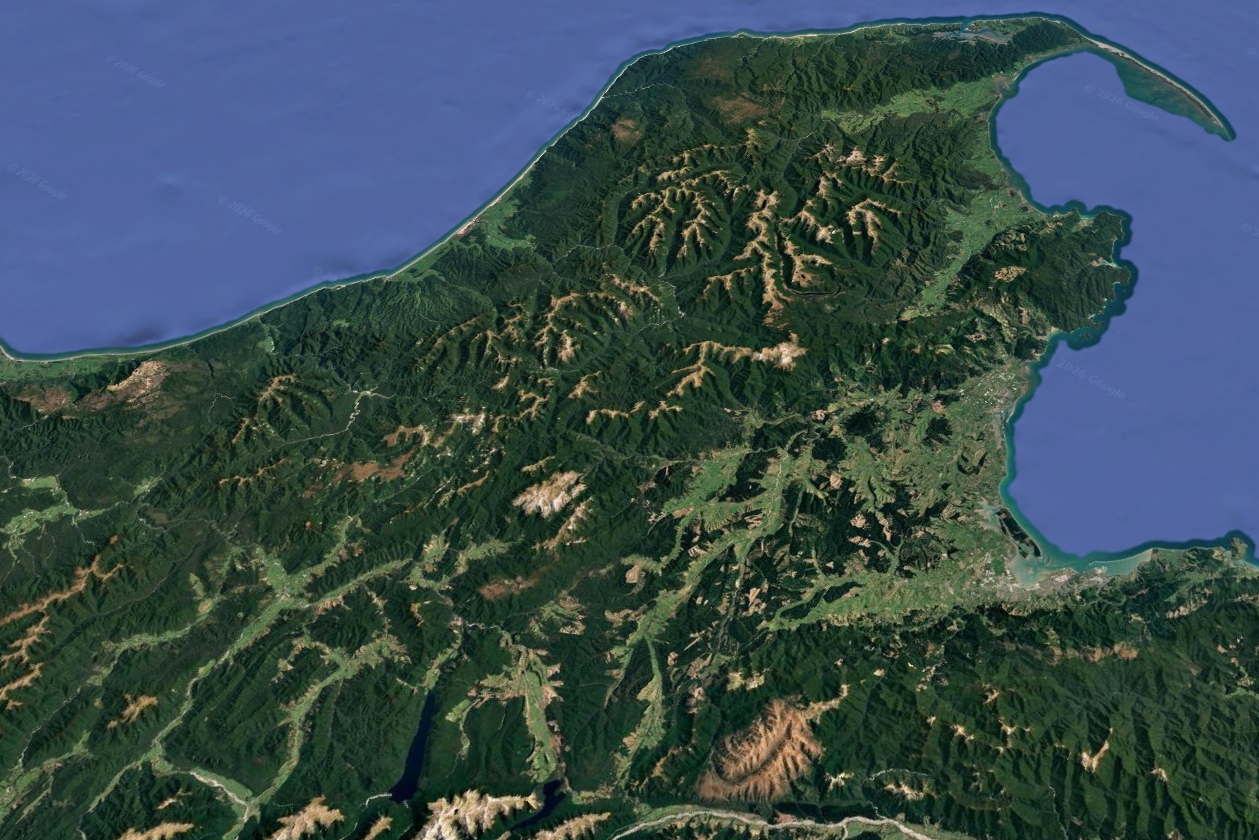
The population of around 60,000 – or about 26,660 rateable units – are dispersed across some 9600 square kilometres, from Collingwood to Richmond to Murchison, heaping pressure onto Tasman District Council’s budgets.
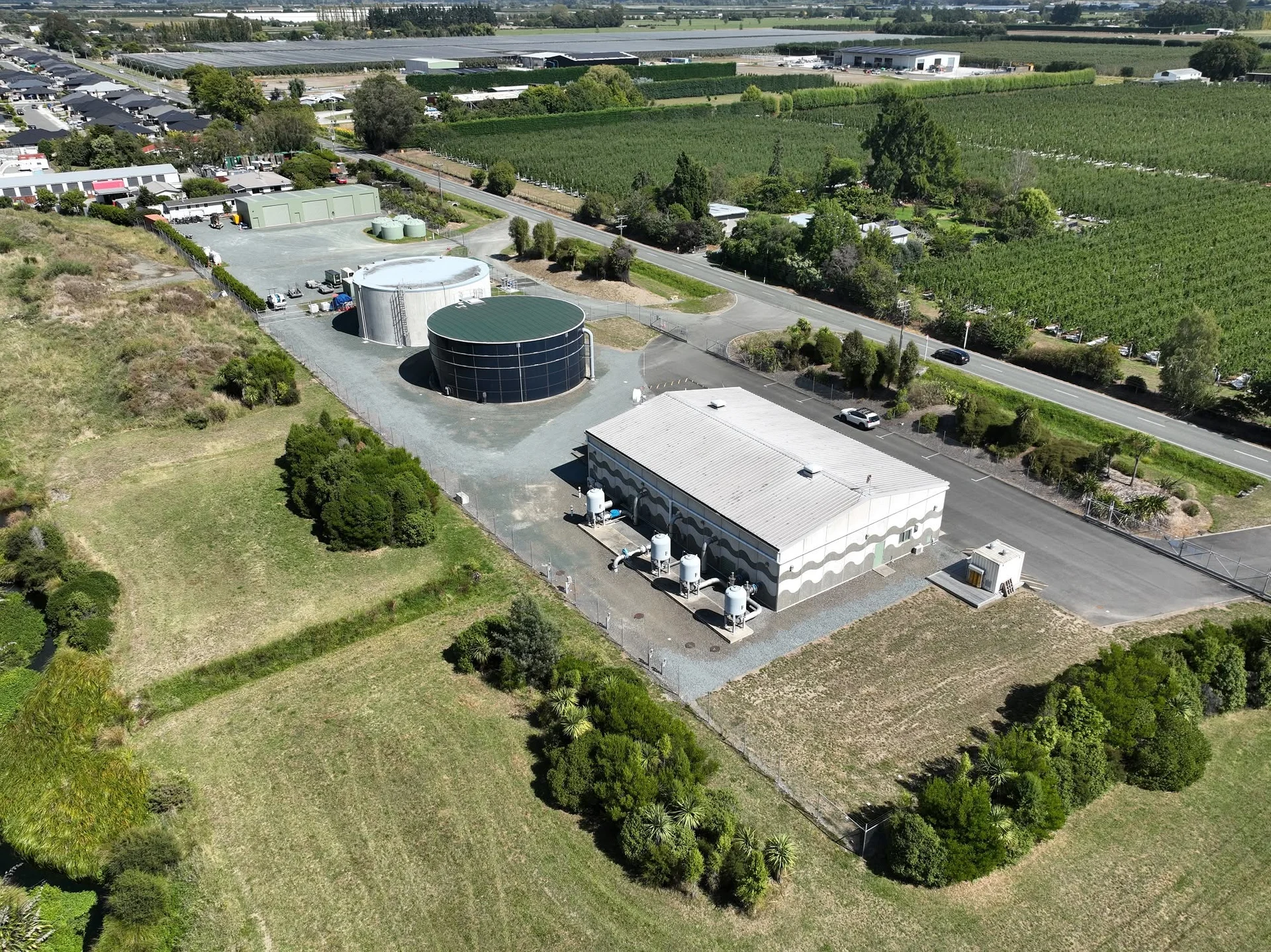
To use drinking water as an example, Nelson has just one water treatment plant while Tasman maintains 15, despite the two districts having comparable populations.
The scale of Tasman’s expansive asset network has been exemplified in recent workshops as the council develops its plans and budgets for the 2027–37 decade.
Across the district, the council is responsible for 1000 kilometres of sealed road and 700km of unsealed roads, which run over top of 10,000 culverts and over 550 bridges.
Drinking water is pumped through 810km of reticulated pipes by 28 pump stations that extract water from 30 bores.
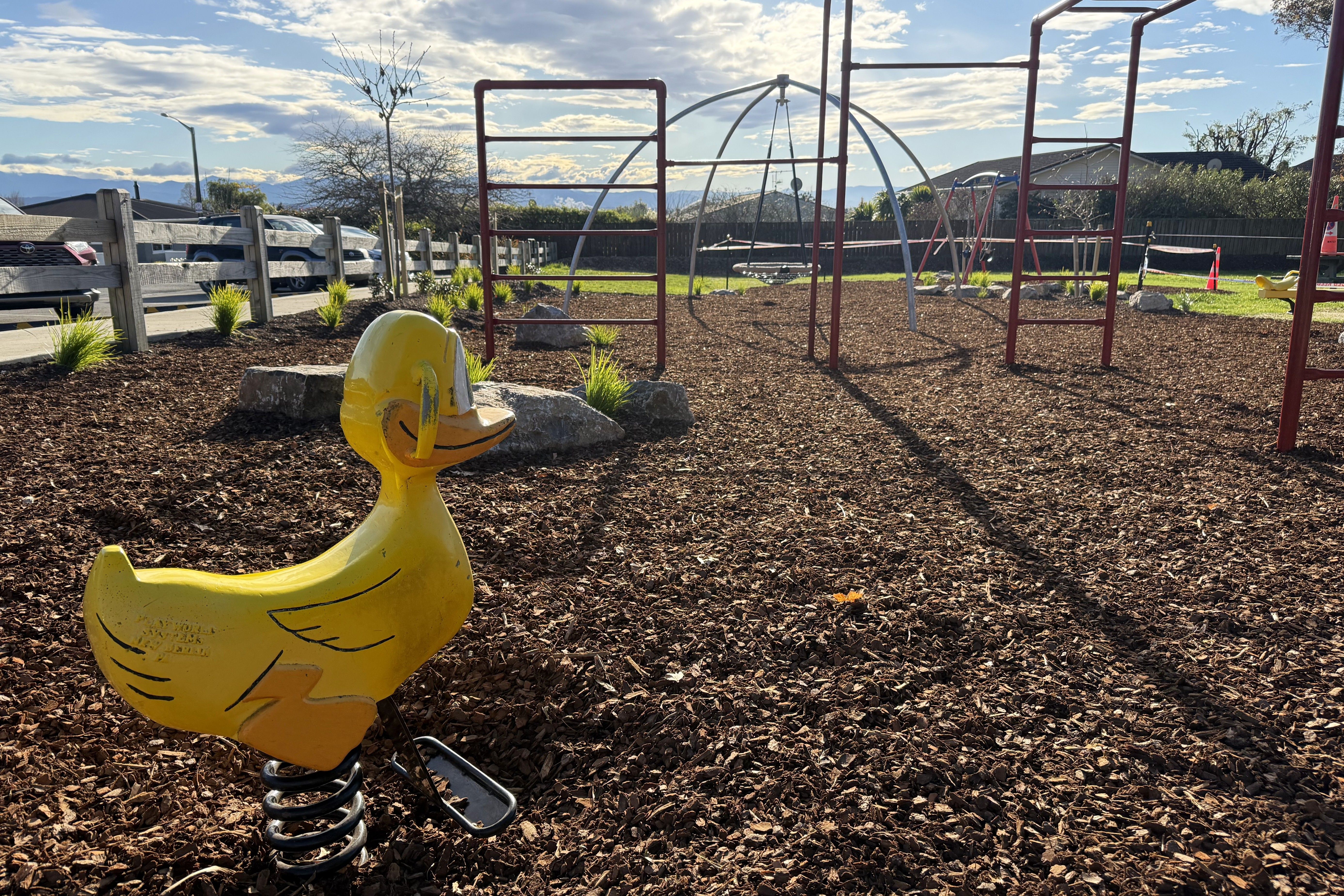
Residents enjoy access to 960 hectares of parks and reserves, can play at any of the 70 playgrounds, hold events in one of the 20 community halls, and make use of the 106 public toilets as needed.
That non-exhaustive list contributes to the council’s total asset base, which is valued at $2.7 billion, all of which needed to be maintained.
In the face of rising costs and rates, elected members are using the workshops to explore whether the council should consolidate facilities, offload some assets or, in some cases, spend more in the short term to reduce higher, long-term costs.
They have been asked whether the council should continue allocating funds for new community facilities, such as the Motueka Pool or Wakefield Community Hub, or should otherwise prioritise existing facilities.
Many community halls are also ageing, or have inactive committees and low use, and now face questions as to whether the council should keep maintaining them all.
Some councillors are open to consolidating low-use facilities, though concerns linger about removing highly-valued gathering places from small rural communities.
Most councillors are not in favour of offloading Tasman’s 101 community houses and instead want to explore partnering with other providers to better utilise the community housing stock.
More culverts are likely to be cleared next financial year to minimise the costly impact of blockages during floods, and paid parking was not expected to be expanded beyond existing commitments in central Richmond, despite the extra revenue’s ability to further offset the cost of maintaining car parks.
Planned weekend buses to Motueka and Wakefield have been written out of the draft budgets to save money in the future, though councillors were keen to see the results of the region’s public transport review before they made up their minds.
It was suggested that low-use bridges, largely in rural areas, could be retired at the end of their lives due to their high cost to maintain compared to their few users.
Amid concerns about reducing the already low number of services used by rural residents and wider legal questions, elected members indicated they preferred exploring divestments on a case-by-case basis.
Three waters investment tended to lead growth, and councillors were asked if infrastructural investments should be more staged to focus on areas with greater growth certainty instead.
Greater strategic planning of three waters infrastructure was also proposed to optimise project delivery, while increased weed maintenance in stormwater channels was hoped to reduce future costs, both of which were expected to provide greater value for money in the long-term.
Some councillors have also put forward their own suggestions, like utilising portable toilets that could be deployed seasonally as needed to reduce the number of permanent toilet blocks that need maintaining or stopping resealing low-use rural roads to reduce transportation costs.
The 10-year Long-Term Plan is the once-in-a-triennium opportunity for the council to radically change its approach to the services it provides its residents.
The draft plan, with its potential changes to the levels of service offered to the community and associated budget impacts, will be shaped by the workshop questions and is still being developed.
Residents will be consulted on the council’s proposal next year, before the final plan is adopted ahead of the new financial year beginning on 1 July 2027.