Kia kaha te reo Māori!
Motueka students stepped out of the classroom and into the community last week, sharing their te reo Māori skills as schools across the region marked Te Wiki o te Reo Māori.
Students from St Peter Chanel School set up on High Street on Monday as volunteer te reo teachers, helping members of the public learn new words and phrases.
The school received funding from Te Taura Whiri i te Reo Māori, the Māori Language Commission, through the Te Reo Towns project.
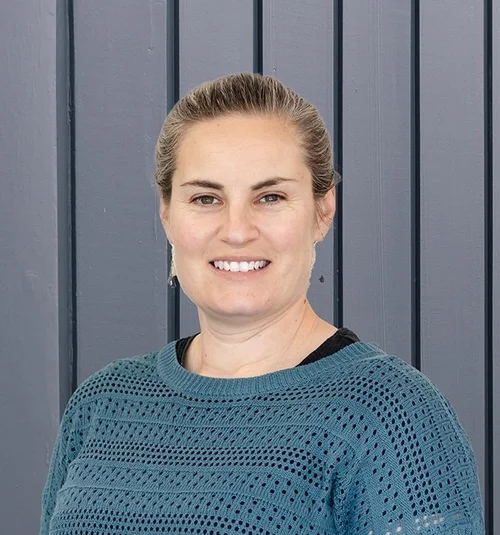
Deputy principal Johnna Alborn says students enjoyed the opportunity to use their language skills in real-world situations.
“We had a great turnout of students who are currently enrolled in Te Ataarangi who were keen to put their te reo Māori into practice.”
The students even taught some people how to order coffee in te reo Māori before putting the lesson into practice themselves at The Village Café.
Johnna says the initiative was a valuable experience for the children.
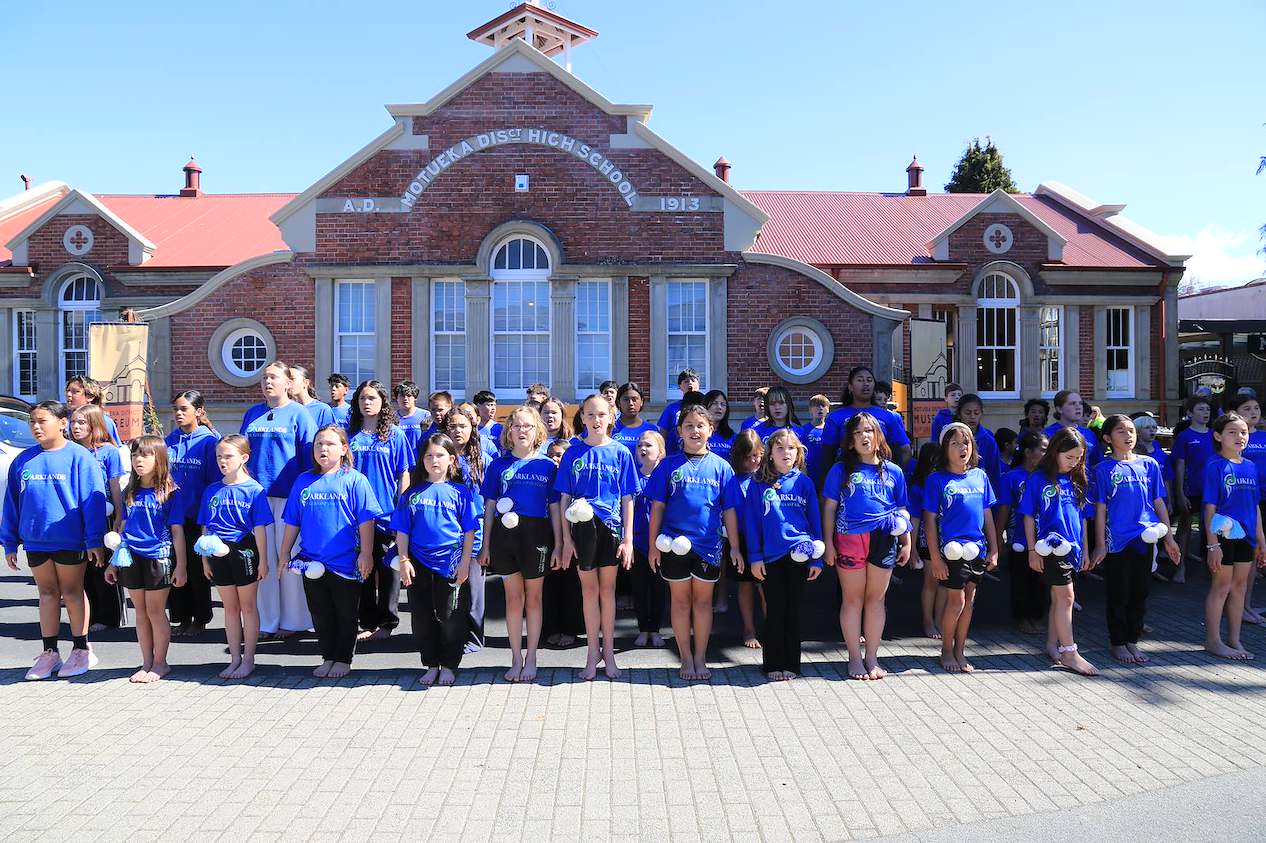
Meanwhile, Parklands School (Te Kura o Pakarana) performed waiata and haka daily outside the Motueka District Museum during Māori Language Week.
Pakarana kaiāwhina Matua Stuart Kere reminded audiences that while te reo Māori receives special attention during the annual celebration, it remains part of everyday life in Te Ao Māori.
“in our lives, in Te Ao Māori, ia ra, ia ra, ia ra [day after day after day]”.
At Riwaka School, acting principal Tess Hansen says the kura explored a range of ways to strengthen and share te reo Māori learning, including kapa haka and language lessons.
Students learning te reo Māori with Renee Iosefa, through support from Te Tai o Awatea Trust, shared their pepeha with the school community.
At Motueka South School, students marked the week through art, dance, games and waiata. Acting principal Lauretta Haskell says the week concluded with the school’s regular House Hui activities.
“Our House Hui are a wonderful tuakana/teina opportunity, giving students the chance to learn alongside and support students of different ages,” she says.
“It was fantastic to see our older and younger ākonga working together, sharing their knowledge and having fun while celebrating te reo Māori.”
